
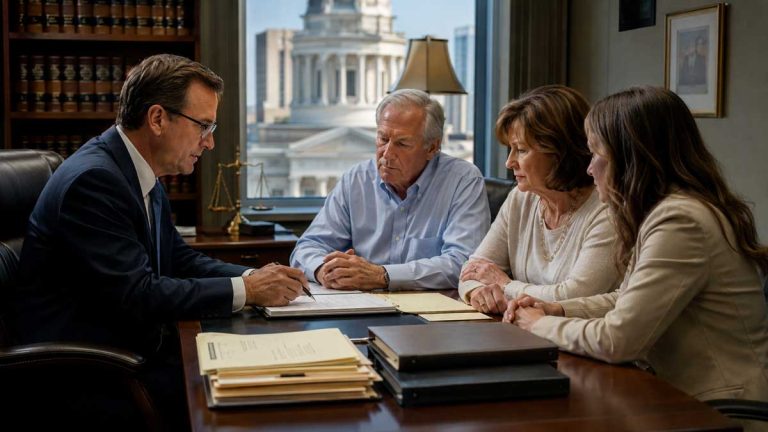




A comprehensive estate plan provides legal and financial protection for people of all ages and income levels. Consider these reasons to discuss your goals with an estate planning lawyer in Louisiana.
5 Reasons Early Estate Planning Matters: Advice From Your Louisiana Estate Planning Lawyer
1. Establishing Guardianship for Minors
If you have minor children, your estate plan can establish guardians for them. These individuals care for your children if you die or become incapacitated before they become adults. You can also name a conservator who manages assets designated to provide for your children.
When children have physical or mental disabilities that may prevent them from living independently as adults, your estate plan can include a special needs trust. This type of trust ensures financial support without affecting eligibility for Social Security.
2. Simplifying the Succession Process
Succession, called probate in many states, is the process of settling someone’s estate after they die. Some estates qualify for streamlined succession without administration, while others require succession with administration. Administration involves supervision by a representative named in your will or appointed by the court if you don’t have a will.
Careful estate planning may help your estate qualify for simple succession if you want your heirs to avoid more complex formal administration. For example, your attorney can set up a trust to hold specific property that won’t count toward the value of your taxable estate. The trust documents in your estate plan outline its terms and establish a trustee to manage its assets.
3. Designating Heirs
When someone dies without a will, the state decides how to distribute their assets. The court typically divides the estate among the person’s surviving spouse and children based on the number of heirs, the size of the estate, and other factors.
Without immediate survivors, assets could pass to other family members or even the state. When you create a will during the estate planning process, you designate intended beneficiaries and divide your property according to your wishes.
4. Naming Power of Attorney
During the estate planning process, you can establish medical and legal power of attorney. A power of attorney is an individual who you name to act on your behalf if you become incapacitated. If you don’t have power of attorney in place, your loved ones may disagree about the medical care you receive in an emergency. Your legal power of attorney can handle issues like paying your bills and filing taxes on your behalf with your permission.
5. Developing an Advance Directive
Also called a living will, an advanced directive details the types of health care you want and don’t want if you can’t speak for yourself. It makes your wishes clear so your loved ones can honor these preferences. The person you name as power of attorney agrees to follow your directive.
An experienced estate plan attorney will work with you to craft a plan for your needs and financial status. Contact Walter D. White, A Professional Law Corporation in Shreveport, LA to make an appointment today.